The benefits and risks of using credit cards in Canada
Understanding the Balance of Credit Cards
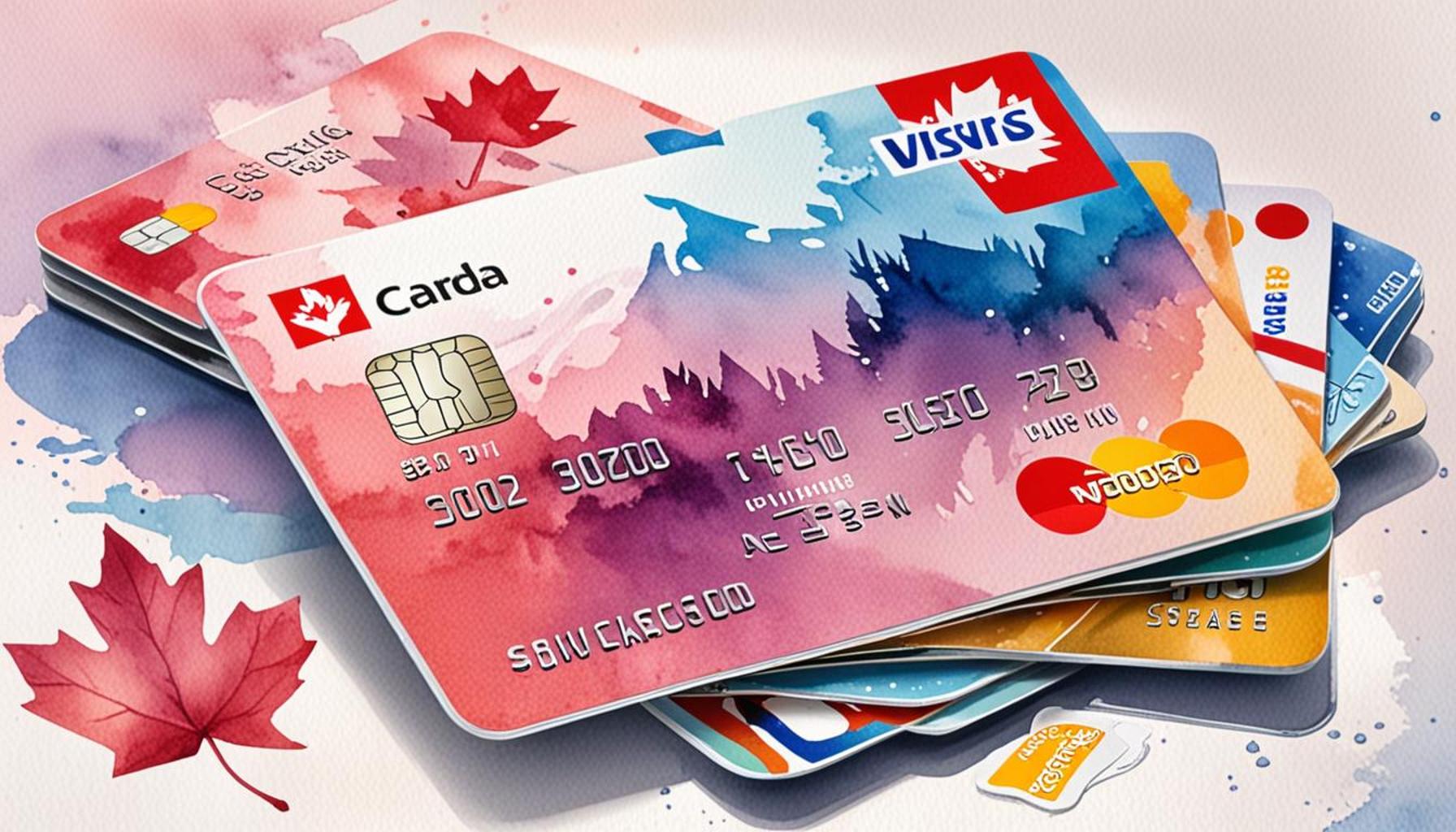
The evolution of financial systems over centuries highlights the transformative impact of credit on economies and individual livelihoods. From primitive barter systems to contemporary banking frameworks, **financial access** has been pivotal in shaping societal progress. Today, credit cards stand out as a noteworthy instrument in personal finance, particularly in Canada, where their dual nature offers both significant benefits and potential hazards for consumers.
At the core of this discussion lies an exploration of how credit cards encapsulate a complex interplay between convenience and risk, echoing the lessons of financial history:
- Benefits of Credit Cards:
- Convenient access to funds during emergencies: Imagine facing an unexpected car repair or a medical bill; credit cards offer a lifeline, enabling individuals to address urgent financial needs without depleting their savings immediately.
- Rewards and cashback programs enhancing purchasing power: Many Canadian credit cards provide enticing perks such as travel rewards or cashback on everyday purchases. For instance, using a credit card for grocery shopping can accumulate points that ultimately allow for complimentary flights or significant discounts on future expenses.
- Building a positive credit history for future borrowing: Establishing a strong credit history is crucial for Canadians looking to secure loans for homes or cars. By responsibly using a credit card, individuals can demonstrate their ability to manage money, which in turn affects their credit score favorably.
- Risks of Credit Cards:
- Potential for accumulating debt difficult to manage: Credit cards can create a false sense of financial security, leading users to spend beyond their means. A growing reliance on credit can result in a snowball effect of debt, as repayments become challenging.
- High-interest rates that may trap consumers: Canadian credit card interest rates can be daunting, often exceeding 19.99%. This reality can cause significant financial strain when consumers carry a balance month to month, illustrating an essential lesson from economic downturns: unchecked spending can lead to financial ruin.
- Impact on credit scores with late payments or defaults: The delicate nature of credit scores means that even a single late payment can have lasting repercussions. Historical financial crises, marked by mass defaults, remind us of the damaging effects that poor credit management can have, affecting not just individuals but also the broader economy.
The lessons learned from historical financial challenges serve as a stark reminder of the importance of financial literacy in today’s landscape. As Canadians navigate the myriad choices presented by credit cards, they must do so with an understanding of both their advantages and drawbacks. Harnessing the positive aspects while diligently mitigating the associated risks can empower consumers to make informed financial decisions, ultimately contributing to personal and national economic stability.
DIVE DEEPER: Click here to learn more
Weighing the Historical Lessons of Credit
The landscape of credit card usage in Canada can be viewed through the lens of historical economic patterns, which reveal that the tools of finance evolve as society changes. The introduction of credit facilities in the 20th century marked a milestone that revolutionized personal finance, providing immediate purchasing power that was previously unattainable for many. Today, credit cards stand as a modern emblem of this evolution, combining both accessibility and peril. Understanding the dual nature of credit cards requires us to reflect on past financial behaviors and their lasting consequences.
One of the most significant benefits of using credit cards is the convenient access to funds during emergencies. History has taught us that economic hardships can strike unexpectedly, as evidenced by various financial crises from the Great Depression of the 1930s to the recession in 2008. In such times, credit cards serve as a crucial financial tool, providing consumers with an immediate lifeline. Whether it be for unforeseen medical expenses or urgent home repairs, having a credit card can mitigate the financial burden without compelling individuals to exhaust their savings prematurely.
In addition to emergency access, credit cards often feature rewards and cashback programs that enrich consumers’ purchasing power. This aspect of credit cards reflects a competitive marketplace where financial institutions vie for customer loyalty, reminiscent of the post-war economic boom in Canada during the late 20th century that heralded a culture of consumerism. For instance, Canadians who utilize their credit cards for everyday purchases—such as groceries or gas—can accumulate points that translate into travel rewards or cashback offers. This gamification of spending encourages consumers to align their purchasing patterns with their financial goals, turning everyday expenses into opportunities for future benefits.
Moreover, responsible credit card use can significantly impact one’s financial future by building a positive credit history. A solid credit score is essential for Canadians aiming to secure loans for significant investments like homes or cars. Building credit is not merely a contemporary phenomenon; it mirrors earlier economic practices where loans were critical for business and personal growth. History underlines the importance of demonstrating financial reliability; hence, by managing a credit card wisely—making payments on time and maintaining balances—individuals can create a robust credit profile that serves them well in future financial undertakings.
However, while these benefits are substantial, they must be approached with caution due to inherent risks associated with credit card usage. Canadian consumers face potential pitfalls that can arise from the allure of easy credit. Understanding these risks entails acknowledging the lessons learned from past financial missteps and the consequences that stem from unrestrained borrowing. It is essential to strike a balance—leveraging the advantages of credit cards while remaining vigilant against their potential dangers, ultimately fostering a healthier approach to personal finance.
DISCOVER MORE: Click here for a step-by-step guide on applying for the Amex Green Card</
Recognizing the Perils of Profligacy
As the expansive narrative of credit card usage unfolds, it is vital to highlight the inherent risks that accompany this financial tool. The archives of past economic calamities provide valuable insights into how financial recklessness can precipitate dire consequences. The hallmark of the 2008 financial crisis illustrated how reliance on widespread credit, coupled with an unmonitored growth of consumer debt, led to substantial financial strain for individuals and institutions alike. In Canada, the lessons from this period remind us of the importance of fiscal prudence and the perils of living beyond one’s means.
One primary risk associated with credit cards is the potential for accumulating debt at an alarming rate. The ease of making purchases with credit cards can foster a false sense of security, encouraging individuals to spend beyond their capabilities. Historically, Canadian households have experienced mounting debt due to reliance on credit, echoing patterns observed in previous economic cycles. A 2021 report by the Canadian Bankers Association noted that Canadian credit card debt reached staggering levels, underscoring the necessity for consumers to practice restraint and mindfulness while using this financial instrument.
Moreover, credit cards often come with high interest rates that can amplify financial woes. Unpaid balances accrue interest rapidly, resulting in consumers finding themselves in a cycle of debt difficult to escape. The Canadian consumer experience is emblematic of broader trends, wherein individuals who have defaulted on credit card payments may find themselves beset by financial institutions imposing punitive fees. The Fasken Martineau DuMoulin LLP’s 2019 study highlighted that some Canadians struggle with debt recovery due to exorbitant credit card interest rates, which can exceed 20%. These findings echo the sentiments from prior economic downturns where interest burdens crippled household budgets.
In addition to the financial implications, there is an emotional toll tied to mismanaging credit card use. The stress of debt can affect individuals’ mental health and wellbeing. Reflecting on the past, the economic downturns experienced in the early 2000s resulted in increased levels of anxiety and depression among Canadians facing financial strains. Adopting a cautious approach to credit card ownership, thereby avoiding the pitfalls of high spending and mounting anxiety, serves as guidance from history.
Another risk lies in the threat of fraud and identity theft, which have become increasingly prevalent in our digital age. Credit cards, while designed to be secure, can fall victim to cybercriminals. Instances of data breaches and online fraud have escalated, as evidenced by reports from the Canadian Anti-Fraud Centre, which detailed a surge in fraudulent transactions in recent years. Such data reflects the broader vulnerabilities present in an increasingly online marketplace. History emphasizes the necessity for vigilance, suggesting that consumers take proactive steps to safeguard their credit information and finances.
As we navigate the present landscape of credit cards in Canada, it becomes increasingly evident that the balance between leveraging the conveniences offered by credit cards while being vigilant against their risks requires historical perspective. Credit cards are undeniably transformative, yet they demand a careful examination of their potential pitfalls rooted in past experiences and economic lessons. This duality ultimately informs a comprehensive understanding of personal finance in Canada today.
DISCOVER MORE: Click here for a step-by-step guide on applying for a Meridian loan</
Final Reflections: Navigating the Terrain of Credit
In conclusion, the narrative surrounding credit cards in Canada is characterized by a complex interplay of benefits and risks, mirroring the lessons learned from past financial crises. While credit cards inherently offer advantages such as convenience, rewards, and the potential to build a solid credit history, they simultaneously pose significant threats, chiefly in the form of escalating debt and high-interest rates. Canadian consumers are urged to view credit cards not merely as avenues for instant gratification, but as powerful tools that demand responsible and measured use.
Reflecting on historical precedents, the pernicious effects of unchecked credit can lead to devastating financial discord, as witnessed during previous economic downturns. The legacy of these experiences underscores the necessity for today’s consumers to exercise caution and strategic thinking, as new financial products continue to emerge on the landscape. To mitigate the risks, adopting practices such as budgeting, timely repayment, and vigilant monitoring of account activity will equip individuals to navigate the intricacies of credit usage.
Furthermore, as we remain vigilant against the rising tide of fraud and cyber threats, it becomes increasingly clear that safeguarding one’s financial wellbeing necessitates both caution and knowledge. The lessons of history remind us that a harmonized approach, blending the advantages of credit with a strong awareness of its challenges, can lead to a healthier financial future for Canadians. In embracing these lessons, individuals can pursue the potential of credit cards while securing their fiscal stability, ultimately contributing to a robust economy and a more resilient society.

Linda Carter is a writer and financial expert specializing in personal finance and financial planning. With extensive experience helping individuals achieve financial stability and make informed decisions, Linda shares her knowledge on our platform. Her goal is to empower readers with practical advice and strategies for financial success.