

Mobile Payments in the United Kingdom: How to Use Apple Pay, Google Pay, and Other Solutions
Emergence of Mobile Payments in the UK
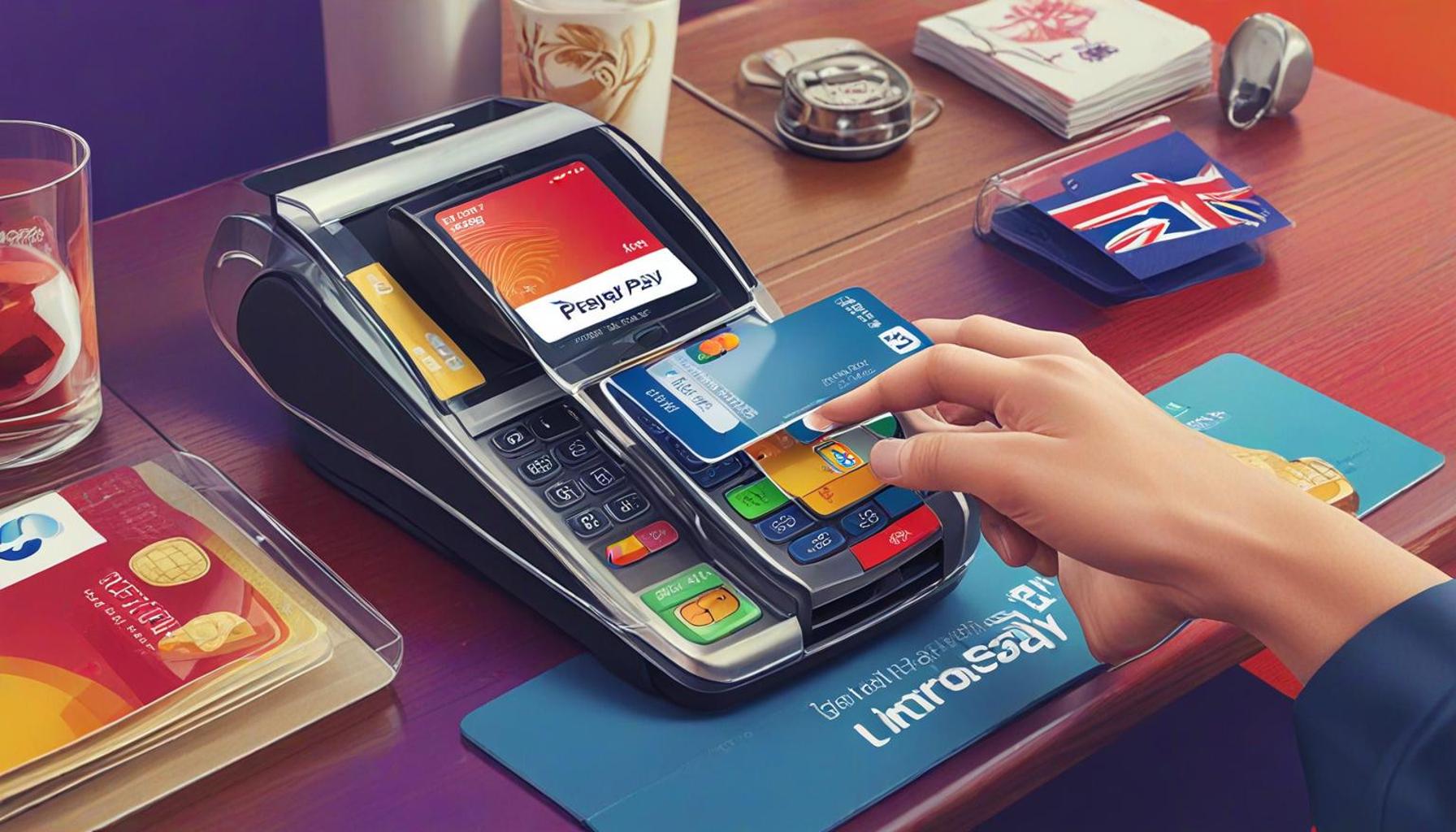
In recent years, the landscape of financial transactions in the United Kingdom has seen a dramatic shift towards mobile payments. This evolution is driven by the increasing adoption of smartphones and the growing demand for convenient payment methods. Mobile payments allow users to engage in transactions quickly and securely, often without the need for physical cash or cards. Consumers can conduct payments directly from their mobile devices, enhancing efficiency and simplifying their financial lives. Today, a plethora of mobile payment solutions are available, inviting users to explore their options carefully.
Key Mobile Payment Solutions
- Apple Pay: This service is seamlessly integrated with iPhone devices and is widely accepted at a multitude of retailers across the UK, including popular chains like Tesco, Boots, and Pret a Manger. Apple Pay offers users an exceptional level of security by utilizing biometric authentication technologies such as Face ID and Touch ID. Additionally, transaction information is kept private, as actual card details are not stored on the device or shared with merchants, bolstering user confidence in security.
- Google Pay: While designed primarily for Android devices, Google Pay has gained significant traction by enhancing the contactless payment experience. It ensures a wider acceptance in retail outlets similar to Apple Pay, and includes functionalities such as rewards programs and loyalty card storage. A unique advantage of Google Pay is its compatibility with various Android devices and smartwatches, providing versatility to users across different platforms.
- Other Solutions: Beyond these major players, alternative mobile payment solutions such as Samsung Pay and numerous banking apps, including Barclays and Starling Bank, are gaining popularity. These options provide a variety of features that cater to specific user needs, such as custom spending limits, detailed transaction tracking, and instant notifications for transactions, which help users manage their finances more effectively.
Understanding the Features and Drawbacks
This article delves into the specifics of using these platforms effectively. For instance, while Apple Pay excels in its robust security features, Google Pay stands out due to its broader vendor acceptance, making it a more versatile option for users who frequently shop at various locations. There are, however, potential drawbacks to consider; transaction fees may vary, with some mobile wallets imposing charges on certain transactions, which could detract from the overall cost-effectiveness for consumers.
Moreover, the user experience can differ significantly across platforms. Apple Pay, with its user-friendly interface, offers quick access to payment functionalities, whereas some banking apps may require additional steps to initiate payments, potentially frustrating some users. Understanding these differences will empower consumers to make informed decisions tailored to their needs and preferences.
By examining parameters such as transaction fees, user experience, and security measures, we aim to help users discern which mobile payment solution aligns best with their individual lifestyles and spending habits. Join us as we navigate the intricate world of mobile payments in the UK, ensuring you have the tools necessary for making savvy financial choices.
SEE ALSO: Click here to read another article
Utilizing Mobile Payment Solutions Effectively
As the trend of mobile payments accelerates, understanding how to use solutions like Apple Pay and Google Pay effectively becomes essential. Both platforms offer a user-friendly experience, but the nuances of their functionalities can have a significant impact on consumer convenience and financial management. Below, we discuss how to set up these services and make the most of their features, while also identifying some potential challenges users may face.
Setting Up Your Account
To start using Apple Pay, users need to add their debit or credit cards to the Wallet app on their iPhone or Apple Watch. This simple process requires only a few steps: open the Wallet app, tap the “+” icon, and follow the on-screen instructions to enter card details. Users may also be prompted to verify their identity through a code sent by their bank. Once this setup is complete, tapping the device near a contactless payment terminal allows for swift transactions.
Google Pay follows a similar method for setup. Android users can download the Google Pay app from the Play Store, then sign in with their Google account. Adding a payment method involves tapping “Payment methods,” choosing the “Add credit or debit card” option, and entering the necessary information. Like Apple Pay, users will need to verify their accounts for security purposes. Google Pay’s ability to integrate loyalty cards and rewards programs directly enhances the user experience, allowing for a seamless transaction process that can also add value beyond simple payments.
Exploring Features and User Experience
Both Apple Pay and Google Pay offer contactless payment solutions that provide a level of convenience unmatched by traditional payment methods. Users can simply tap their devices to complete transactions, which is particularly advantageous during busy shopping periods. However, understanding the distinctive features of each service can improve overall satisfaction.
- Transaction Limits: Apple Pay typically aligns with transaction limits set by banks, which can vary depending on the type of card. Google Pay may also impose limits, although they can differ by retailer or specific payment situations.
- Integration with Other Services: Apple Pay allows integration with various apps, particularly in iOS, enabling users to make payments for services like rideshares and food delivery directly from their devices. Meanwhile, Google Pay stands out for linking with both Android apps and web services, making it versatile for online shopping.
- User Notifications: Both platforms provide notifications for transactions, but Google Pay tends to offer more comprehensive tracking features, including spend analysis that can help users maintain better control over their finances.
It’s crucial to note that while these solutions enhance convenience, users should be vigilant regarding security. Each service employs advanced encryption methods and biometric authentication, which significantly reduce the risk of fraud. However, consumers are encouraged to activate all available security settings and remain aware of any suspicious activities on their accounts.
Conclusion
As mobile payments continue to grow in the UK, understanding how to utilize leading platforms like Apple Pay and Google Pay will empower consumers to make informed decisions. By familiarizing themselves with the setup process, key features, and security measures, users can optimize their mobile payment experience and streamline their transaction routines.
SEE ALSO: Click here to read another article
Comparative Analysis of Mobile Payment Solutions
While Apple Pay and Google Pay are the most prominent mobile payment options in the United Kingdom, other platforms such as Samsung Pay and PayPal also play significant roles in the marketplace. Understanding the differences, advantages, and disadvantages of these solutions can help consumers make more informed choices about which payment methods best suit their lifestyles and financial needs.
Key Players in the Mobile Payment Market
Samsung Pay offers a unique feature that sets it apart from its competitors. Unlike Apple Pay and Google Pay, which primarily rely on Near Field Communication (NFC), Samsung Pay employs a technology known as Magnetic Secure Transmission (MST). This allows Samsung Pay to be accepted at traditional magnetic stripe terminals, expanding its usability significantly, especially in retail environments where contactless payment may not be supported. However, the adoption of Samsung Pay in the UK has not been as robust as its rivals, despite its innovative technology.
PayPal, while not a direct competitor in the same manner as the other two, offers mobile payment services via its app and has a large user base. Its strength lies in its established reputation for security and its widespread acceptance for online transactions. Users can link their bank accounts, debit, and credit cards directly to their PayPal accounts, but the process to complete in-store purchases typically involves a QR code scan rather than a tap, which may not be as seamless as contactless payments through Apple Pay or Google Pay. As of 2023, over 28 million merchants are said to accept PayPal, making it a trusted choice, especially for online shopping.
Cost Implications for Consumers
When opting for mobile payment solutions, it is essential to consider the associated costs. Generally, neither Apple Pay nor Google Pay charge users for making payments. However, fees may accrue when making transactions involving foreign currencies or using specific local businesses that could charge service fees. PayPal, on the other hand, has a more complex fee structure: while sending money to friends and family within the UK is usually free, payments for goods and services incur a percentage-based fee. This can become particularly relevant for small business owners or frequent shoppers who utilize these features regularly.
Consumer Preference and Market Trends
The adoption of mobile payments in the UK has seen exponential growth, with an increase of over 30% in user adoption since 2020, according to recent market research. A survey by the UK Finance in 2022 highlighted that approximately 82% of individuals aged 18-35 preferred mobile payments over cash transactions. Factors contributing to this shift include the convenience of contactless transactions, increased smartphone penetration, and the evolving landscape of the retail sector that increasingly accepts mobile payments.
The rise of e-commerce also complements the mobile payment trend. Many retailers, including giants like Amazon and Tesco, now offer apps that integrate mobile payment options, catering to consumer preference for ease of use and efficiency during transactions. Various loyalty programs are also evolving to integrate with mobile payment apps, making it easier for users to earn rewards while shopping. Consumers benefit from convenience and potentially enhanced fiscal management through tracking their spending patterns via these integrated features.
Potential Challenges and Considerations
Despite the benefits, several challenges persist for mobile payment users. First and foremost, not all retailers in the UK have adopted contactless payment technology, particularly in smaller shops or certain industries. Additionally, security remains a concern; while mobile payment platforms offer advanced encryption and authentication mechanisms, users must actively manage their device’s security settings to minimize risks associated with lost or stolen devices.
Another consideration is the issue of digital literacy. As mobile payments become more prevalent, older generations may find it intimidating to transition from traditional payment methods. Educational resources are crucial in bridging this gap, ensuring that all demographics can benefit from the efficiencies mobile payments offer.
SEE ALSO: Click here to read another article
Conclusion
In summary, the landscape of mobile payments in the United Kingdom has transformed considerably, enabling consumers to conduct transactions with heightened convenience and efficiency. With platforms like Apple Pay and Google Pay leading the charge, and alternatives such as Samsung Pay and PayPal providing additional choices, users find themselves in a broadening marketplace catered to their unique financial needs.
The increase in user adoption rates, with over 30% growth since 2020, indicates a clear consumer preference for mobile transactions over cash. This shift is driven not only by the seamless nature of contactless payments but also by the technological advancements that support secure and manageable financial transactions. However, as highlighted, challenges such as limited retailer acceptance, security concerns, and the digital literacy gap remain significant hurdles. It is essential for consumers to critically evaluate the available options, weighing their advantages such as ease of use and acceptance against potential downsides like fees and limited usability in specific environments.
As e-commerce continues to flourish, mobile payment solutions are likely to evolve further, integrating with existing loyalty programs and streamlining checkout processes. For individuals and businesses alike, adapting to these innovations holds the potential for improved economic efficiency and financial visibility. Staying informed about the nuances of each platform’s offerings will empower consumers to choose the solutions that best align with their lifestyles and transaction demands. Ultimately, embracing mobile payments stands to enhance not only convenience but also financial management in an increasingly digital economy.

Beatriz
Beatriz Johnson is a seasoned financial analyst and writer with a passion for simplifying the complexities of economics and finance. With over a decade of experience in the industry, she specializes in topics like personal finance, investment strategies, and global economic trends. Through her work on Seo Xprt, Beatriz empowers readers to make informed financial decisions and stay ahead in the ever-changing economic landscape.


