The Evolution of Rewards Programs: How Credit Cards Are Adapting to New Consumer Preferences
Introduction to the Evolution of Credit Card Rewards
Across the financial landscape, credit card rewards programs are adapting swiftly to meet the shifting desires of consumers. With a growing emphasis on tailored experiences, today’s savvy cardholders are not just looking for basic benefits; they want rewards that align with their lifestyles and spending habits. This transformation is shaping how credit card issuers develop and market their products, resulting in a rich variety of options available to users.
Key Trends in Credit Card Rewards Programs
First and foremost, the demand for flexibility in redeeming rewards has altered the game. Consumers increasingly prefer having diverse options—whether it’s using points for travel vouchers, cash back, merchandise, or even to cover everyday purchases like groceries and utilities. For instance, a card that allows users to redeem points on platforms like Amazon or at popular retailers can be particularly appealing. This integration caters to the consumer’s varying needs, enabling them to derive maximum benefit from their spending.
Another notable trend is the rise of experiential rewards. Rather than the traditional offers of cash back or gift cards, many credit card programs are now leaning towards unique experiences that create lasting memories. For example, some cards could offer special access to music festivals, sports events, or culinary experiences, allowing users to enjoy events they are passionate about. This shift not only adds value but also enhances emotional engagement with the brand.
Moreover, partnerships between credit card companies and popular retailers or service providers are becoming more common. Such collaborations enhance the rewards structure, as cardholders might receive additional benefits such as discounts or exclusive access. For example, a partnership with a travel booking platform could offer users bonus points on flights and hotels booked through a particular service, thus enriching their travel experiences.
The Role of Technology in Shaping Credit Card Rewards
In our tech-driven world, technology has become key to improving the functionality and appeal of rewards programs. Mobile apps and digital wallets make it easier than ever for cardholders to track their rewards and understand how to redeem them. Users often benefit from real-time updates, which provide instantaneous notifications on earned rewards or points accumulation, keeping them informed and engaged.
Furthermore, the concept of gamification has gained traction, offering entertaining elements that encourage users to interact more with their rewards program. For instance, some programs might introduce challenges that allow users to earn bonus points for achieving specific spending milestones or completing tasks related to their interests.
Finally, customization has emerged as a key feature, where card issuers analyze spending habits to offer tailored rewards and promotions. This could entail suggesting bonus categories based on a user’s shopping behavior, ensuring that they receive rewards that align perfectly with their lifestyle. For example, if a consumer frequently dines out or travels, offers tailored towards restaurants or travel perks could be particularly appealing.
Conclusion
As competition intensifies in the credit card market, understanding these evolving trends becomes crucial for consumers. By recognizing the value of flexibility, experiential rewards, strategic partnerships, and innovative technology, cardholders can make informed choices that significantly maximize their rewards potential in this dynamic landscape. As they explore their options, they can harness these advancements to not only save money but to create cherished experiences that enhance their everyday lives.
DISCOVER: Click here to learn more
Shifting Priorities of the Modern Consumer
The evolution of credit card rewards programs is largely driven by the changing priorities of consumers. In the past, traditional rewards were relatively straightforward, primarily offering cash back or points for purchases. However, today’s consumers are more discerning and demand a range of options that cater to their individual preferences and lifestyles.
For instance, let’s consider how consumers now prioritize everyday spending. Credit cards that offer high rewards on essential purchases, such as groceries, gas, and dining out, resonate strongly with cardholders. This shift reflects a broader trend of seeking benefits that directly impact daily life rather than just occasional perks. To illustrate, a credit card that rewards users with 5% cash back on groceries might be particularly appealing to families who prioritize food budgeting.
Another significant factor in this evolution is the increased awareness among consumers regarding reward program transparency. Many cardholders now seek clarity on how to earn and redeem their rewards, favoring programs that provide straightforward terms. They prefer to avoid the frustration of hidden fees or complicated redemption processes that can devalue their rewards. For example, some programs now feature clear tier systems where consumers can easily see what spending habits earn them the most points, making it simpler to strategize their spending.
The Rise of Personalized Experiences
As consumer preferences continue to evolve, the demand for personalization has come to the forefront. Credit card companies are leveraging data analytics to tailor reward programs that match individual spending patterns. This has led to more customized offerings, where users may find themselves receiving targeted promotions that align with their shopping habits.
- Dining Rewards: For a consumer who frequently dines out, a card that offers bonus points for restaurant spending can be particularly beneficial.
- Travel Perks: A business traveler might gravitate towards cards that provide extra points for flights or hotel bookings, enhancing their travel experiences.
- Cash Back on Utilities: Consumers who prioritize paying their monthly utility bills may find value in cards that offer rewards for such recurring expenses.
This focus on personalization doesn’t just keep consumers happy; it encourages loyalty. When users feel that their credit card rewards are genuinely tailored to their habits and interests, they are more likely to stick with that issuer for years. It is this very connection that helps build a strong relationship between the card issuer and the consumer.
In summary, as the priorities of consumers continue to shift, credit card rewards programs are evolving to mirror these changes. Emphasizing flexibility, transparency, and personalization, today’s rewards offerings are becoming more aligned with the lifestyles of users. This evolution not only increases the appeal of credit cards but also enhances the overall consumer experience.
LEARN MORE: Click here to find out how to apply
The Impact of Technology on Rewards Programs
In addition to changing consumer preferences, the rapid advancement of technology has profoundly influenced the evolution of credit card rewards programs. The rise of digital payment solutions, mobile wallets, and contactless transactions has prompted credit card issuers to rethink how they deliver rewards and engage with their customers.
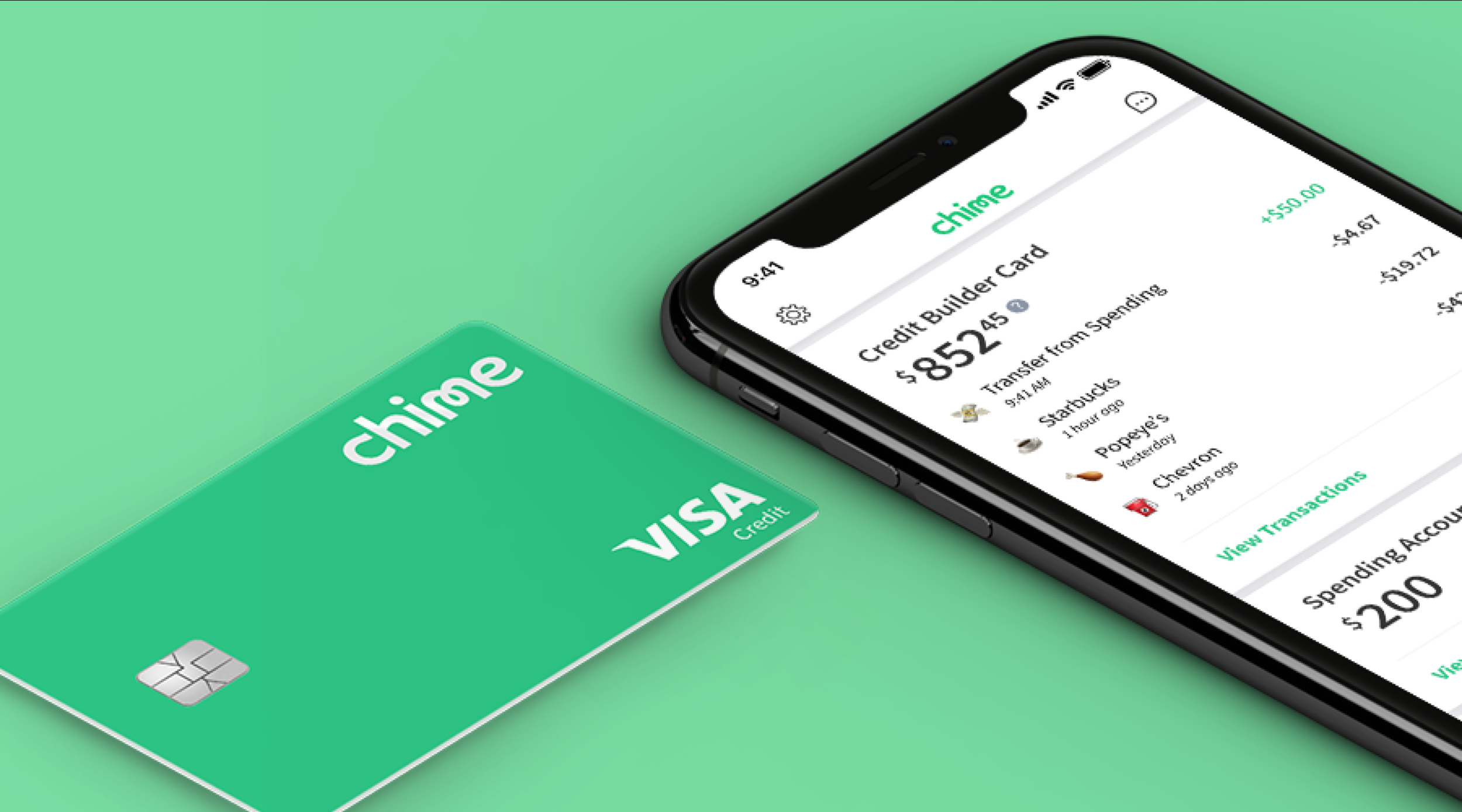
Today, many credit cards integrate seamlessly with mobile apps, allowing users to track their rewards in real time. These apps not only present a visual breakdown of points or cash back earned, but they also provide notifications for promotional offers tailored to the user’s spending habits. For instance, if a cardholder regularly dines out, their credit card app may send a notification about an exclusive bonus offer for restaurants in their vicinity, enhancing both the user experience and the likelihood of utilizing the card.
Gamification of Rewards Programs
Another notable trend is the gamification of rewards programs. Credit card companies are recognizing that consumers enjoy the thrill of earning rewards and are incorporating elements of gaming to make the process more engaging. This can take various forms, such as earning badges or completing challenges to unlock additional points or benefits. For example, a cardholder might receive temporary boosts in rewards for completing specific tasks like shopping at a certain store or spending a set amount within a designated timeframe. This approach not only motivates consumers to use their cards more but also fosters a sense of achievement and participation in the rewards program.
Furthermore, the adoption of artificial intelligence (AI) and machine learning has enabled credit card issuers to analyze consumer behavior more effectively. With these technologies, banks can identify trends within their customer base and develop proactive strategies to enhance engagement. This might include personalized offers based on previous spending insights, ensuring that rewards remain relevant and appealing to each individual. For instance, AI could identify a customer who frequently travels for business and provide them with a limited-time offer for additional miles on their next flight booking, thereby creating a sense of urgency and maximizing the potential for card usage.
Collaborations with Retailers and Brands
The partnerships between credit card issuers and popular retailers or brands have also expanded significantly. Many rewards programs now feature collaboration initiatives that allow consumers to earn additional points or discounts when shopping at partner establishments. For example, a credit card tied to a grocery chain might provide higher rewards percentages when purchases are made at their stores or affiliated locations. These partnerships not only enhance the value of the rewards program but also create a stronger incentive for consumers to choose specific credit cards for their purchases.
A prime example of these collaborations can be seen with credit cards that offer exclusive deals for streaming services, online subscriptions, or travel bookings, making them more appealing to younger demographics who heavily rely on such amenities. The synergy of rewards programs with lifestyle brands showcases a deeper understanding of consumer habits and creates a win-win situation for both consumers and card issuers.
As technology continues to advance, credit card rewards programs will likely become even more innovative, ensuring they remain relevant to consumers. By embracing digital integration, gamification techniques, and strategic partnerships, credit card issuers are adapting to meet the ever-changing landscape of consumer preferences.
DISCOVER MORE: Click here to dive deeper
Conclusion
The landscape of credit card rewards programs is undergoing significant transformation as issuers strive to align with evolving consumer preferences and technological advancements. With a greater emphasis on personalized experiences, consumers are actively seeking credit cards that not only meet their spending needs but also enrich their lifestyles. The integration of mobile technology, gamification strategies, and proactive partnerships with major retailers reflect this shift towards a more engaged and interactive rewards experience.
As consumers continue to prioritize convenience and relevance, credit card issuers are becoming increasingly adept at leveraging data analytics and artificial intelligence. These tools allow for real-time adjustments to rewards offerings, ensuring that promotions resonate with specific customer behaviors and interests. For instance, a travel enthusiast may appreciate bonuses linked directly to airfare, while a shopping devotee may value cash back at their favorite stores. By tailoring rewards in this way, issuers cultivate deeper connections with their cardholders.
In conclusion, the evolution of credit card rewards programs illustrates the dynamic nature of consumer finance. As technology continues to propel changes in how transactions are conducted, it will be essential for card issuers to remain adaptable. The winners in this competitive space will be those that prioritize customer needs and innovate continually. This ongoing evolution not only benefits consumers by providing better rewards but also fosters a more meaningful relationship between them and their financial service providers.

Linda Carter
Linda Carter is a writer and expert known for producing clear, engaging, and easy-to-understand content. With solid experience guiding people in achieving their goals, she shares valuable insights and practical guidance. Her mission is to support readers in making informed choices and achieving significant progress.