
How to Apply for the Goodyear Credit Card Step-by-Step Guide
The Goodyear Credit Card offers exclusive financing options, an enhanced rewards program for tire purchases, complementary roadside assistance, and a generous credit limit for larger automotive expenses, combining convenience and financial benefits for car owners looking to manage and save on automotive costs effectively.

How to Apply for the Luxury MasterCard Black Credit Card Online
The Luxury MasterCard Black Credit Card offers exclusive rewards for luxury travel and dining, comprehensive travel benefits with global lounge access and insurance, and 24/7 concierge services. Enjoy elite member privileges and superior customer service, enhancing lifestyle convenience and opening doors to unique, high-end experiences.
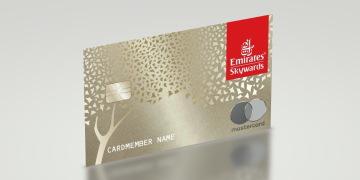
How to Apply for Emirates Skywards Premium World Elite Mastercard
The Emirates Skywards Premium World Elite Mastercard offers exceptional rewards with up to three miles per dollar on Emirates purchases. Enjoy benefits like an annual Business Class upgrade, global lounge access, comprehensive travel insurance, and purchase protection, making it ideal for frequent global travelers seeking premium experiences and security.
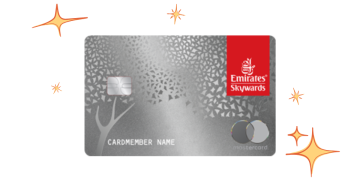
Get the Emirates Skywards Rewards World Elite Mastercard Easy Application Guide
Unlock travel rewards with the Emirates Skywards Rewards World Elite Mastercard, earning up to 3 miles per $1 spent. Enjoy two complimentary lounge visits annually, comprehensive travel insurance, and 24/7 global customer service with concierge assistance, enhancing comfort and convenience for frequent international travelers.

How to Apply for Bank of America Premium Rewards Elite Credit Card
The Bank of America Premium Rewards Elite Credit Card offers 2 points per dollar on travel and dining, Priority Pass Select airport lounge access, travel insurance, $100 Global Entry/TSA Pre✓® credit every four years, and round-the-clock concierge services, delivering an exceptional rewards and travel experience to cardholders.

How to Apply for the Choice Privileges Select Mastercard Credit Card
The Choice Privileges Select Mastercard offers 5 points per dollar at Choice Hotels and 2 points on travel, dining, and home improvement. Enjoy no foreign transaction fees, a $50 annual hotel credit, and 8,000 anniversary bonus points, making it ideal for travelers seeking cost-effective rewards and savings.

How to Apply for Delta SkyMiles Platinum American Express Credit Card
The Delta SkyMiles Platinum American Express Card offers 3X miles on Delta purchases, 2X at restaurants and supermarkets, a companion flight certificate, and waived first checked bag fees. Enjoy expedited security with Global Entry/TSA PreCheck credits and priority boarding for a seamless travel experience.

How to Apply for M1 Owners Rewards Credit Card Easy Guide
The M1 Owner's Rewards Credit Card offers up to 10% cashback with select brands and integrates seamlessly with M1 Finance for reinvesting rewards. With no annual fees, competitive interest rates, and smart borrowing options, it promotes substantial savings and strategic wealth growth.

Cost Analysis and Sustainability: Balancing Finances and Environmental Responsibility
This article explores the intersection of cost analysis and sustainability, emphasizing how businesses can achieve financial success while embracing environmental responsibility. By integrating eco-friendly practices, companies not only enhance profitability but also foster innovation, brand loyalty, and community well-being, ultimately contributing to a more sustainable future.

Cost Reduction Strategies: A Comparative Analysis between Sectors
This article explores effective cost reduction strategies across various sectors, highlighting methods employed in manufacturing, retail, healthcare, technology, construction, and more. It emphasizes the importance of innovation and tailored approaches for optimizing efficiency and profitability, encouraging cross-industry learning to enhance financial sustainability in today's competitive business environment.