Strategies for Effectively Paying Off Credit Card Debt
Understanding Credit Card Debt
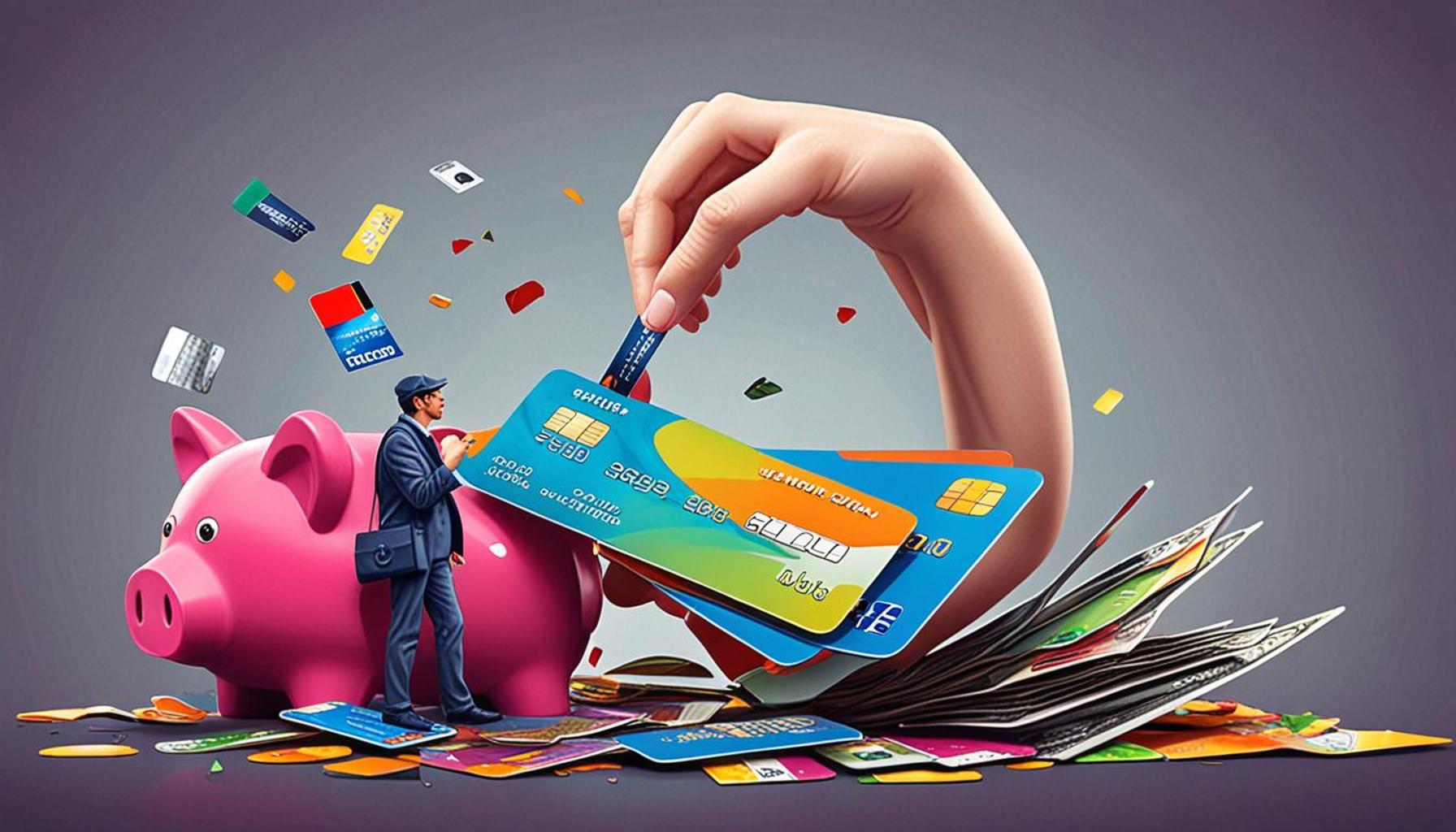
Managing credit card debt can often feel like an uphill battle for many individuals, particularly in a society where credit is so readily accessible. It’s easy to fall into the pit of overspending, especially with enticing offers and promotional rates that sometimes hide the real cost of credit. For many, this leads to a cycle of anxiety where the burden of high-interest payments and growing balances seems insurmountable.
However, breaking free from credit card debt is entirely achievable with a clear and proactive approach. Developing a financial plan is not just important; it is vital to regaining control over your personal finances. Here are several essential strategies to consider to pave your way toward financial freedom:
Create a Budget
The first step towards taking charge of your finances is to create a budget. By meticulously tracking your income and expenses, you equip yourself with the insights necessary to understand where every dollar is going. Use tools like budgeting apps or simple spreadsheets to categorize your expenses and identify areas where you can cut back. For instance, review your monthly subscriptions—do you really need that gym membership you rarely use? Small savings can snowball into significant contributions towards debt repayment.
Focus on High-Interest Debts
Another powerful strategy is to focus on high-interest debts. By prioritizing payments on credit cards with the highest interest rates, you minimize the amount of money lost to interest over time. For example, if you have two credit cards, one with a 15% interest rate and another with a 24% rate, it would be financially savvy to allocate extra funds to the card with the 24% rate first. This approach reduces the overall interest accruing on your debts, allowing you to pay them off more quickly.
Consider the Snowball Method
For some, the snowball method may offer an emotional boost in dealing with debt. This strategy involves paying off the smallest debts first to gain momentum and a sense of accomplishment. For instance, if you have a small credit card balance of $300 and another larger balance of $2,500, paying off the smaller debt first can provide immediate satisfaction, encouraging you to tackle the bigger debts next. This psychological lift can be crucial for maintaining motivation throughout your debt repayment journey.
Taking proactive steps toward financial health not only alleviates stress but also empowers you to take control of your future. Each small action you take today paves the way for a brighter, debt-free tomorrow. Remember, it is not just about managing debt; it’s about building a lasting foundation for your financial well-being. Start today, and nurture your confidence as you journey towards fiscal responsibility and freedom.
DISCOVER: Click here to learn how cost analysis can spark innovation
Practical Approaches to Reducing Credit Card Debt
As you embark on your journey to eliminate credit card debt, having a toolbox of practical strategies can significantly enhance your chances of success. These methods not only help you manage your current debts but also instill healthy financial habits that will serve you in the long run. Here are several actionable strategies you can implement:
Establish an Emergency Fund
Before diving headfirst into debt repayment, it’s crucial to build a small emergency fund. This fund acts as a safety net, preventing you from relying on credit cards for unforeseen expenses. Aim to save at least $500 to $1,000 initially. This cushion allows you to tackle emergencies without falling back into debt, enabling you to focus on paying down existing balances.
Make More Than the Minimum Payments
One of the simplest yet most effective strategies to pay off credit card debt is to commit to making more than the minimum payments. Credit card companies often set low minimum payments to keep you in debt longer, primarily benefiting from the interest. Let’s say your minimum payment is $50; if you can afford to pay $100 or even $150 each month, you dramatically decrease your debt and the interest paid over time. Each extra dollar you contribute chips away at the principal, accelerating your path to being debt-free.
Explore Balance Transfers
Another smart strategy involves considering balance transfer credit cards. These cards allow you to transfer existing balances from high-interest credit cards to a new card that offers a lower interest rate, potentially at 0% for an introductory period. This can provide significant relief, as more of your payment will go toward reducing the actual balance rather than interest charges. However, be cautious—ensure that you understand any fees involved and the interest rate after the promotional period ends.
Negotiate Lower Interest Rates
Don’t underestimate the power of communication. Contact your credit card issuer and inquire about reducing your interest rate. If you have a history of on-time payments, many companies are willing to accommodate such requests to keep you as a customer. A reduced interest rate can result in substantial savings, allowing more of your payment to go towards reducing your overall debt instead of feeding the interest monster.
Set Clear Financial Goals
Setting specific financial goals can also inspire commitment to your debt repayment plan. Write down your targets—like paying off your credit card debt within a year—and develop a tracking system to visualize your progress. Celebrate small wins, such as paying off a portion of your debt or achieving a set payment milestone. These celebrations can keep your motivation high and foster a sense of accomplishment.
By adopting these strategies, you not only work towards liberating yourself from credit card debt but also establish a foundation for a more responsible financial future. Every step you take is a step closer to reclaiming your financial freedom, allowing you to invest in your goals rather than merely servicing debt. Embrace the journey with confidence, and soon you’ll find yourself on the path toward financial peace.
DIVE DEEPER: Click here to learn more
Empowering Financial Habits for Sustainable Debt Reduction
Beyond the immediate strategies for managing your credit card debt, cultivating empowering financial habits can lead to long-term stability and success. By changing how you view and interact with money, you create not only a path to clearing debt but also a healthier financial lifestyle. Here are several impactful habits to consider:
Automate Your Payments
One of the best ways to ensure consistency in your debt repayment is to automate your payments. Setting up automatic payments for your credit card bills guarantees that you never miss a due date, avoiding late fees and unnecessary interest charges. This approach can also help you stay on track with your repayment plans. Choose a date that aligns with your paycheck schedule to make sure the funds are readily available.
Adopt the Debt Snowball Method
The debt snowball method involves prioritizing your debts from smallest to largest, regardless of interest rates. Begin by focusing all your extra funds on the smallest balance while making minimum payments on the rest. Once the smallest debt is paid off, roll that payment into the next smallest debt, creating a snowball effect. This method can boost your motivation, as the psychological victory of paying off debts quickly can provide the encouragement needed to tackle larger sums.
Track Your Spending
To gain control over your finances, it’s essential to track your spending diligently. Understanding where your money goes each month can lead to initiating changes that free up extra funds for debt repayment. Use budgeting tools or apps that can categorize your expenses and help you identify areas to cut back, whether it’s dining out less or cancelling unused subscriptions. Commit to reviewing your spending habits regularly; this engagement offers insight into your financial behavior and helps build accountability.
Consider Side Hustles for Extra Income
To accelerate your debt repayment, think about starting a side hustle. Whether it’s freelancing, offering tutoring services, or even driving for a rideshare company, additional income can be poured directly into your credit card payments. This not only shortens your debt timeline but also allows you to explore new interests or skills, potentially transforming a side hustle into a long-term opportunity. Remember, every extra dollar counts.
Stay Educated on Personal Finance
Continuously educate yourself about personal finance to empower your journey towards financial freedom. Read books, attend workshops, and listen to podcasts that focus on money management and debt relief strategies. The more informed you are about your finances, the better choices you can make. Connecting with others who have successfully navigated similar journeys can also provide encouragement and support. Together, you can share insights and strategies while holding each other accountable.
Implementing these habits into your daily life can transform your relationship with money, allowing you not only to pay off your credit card debt effectively but to foster a mindset focused on financial well-being. Every choice you make today carves the way for a brighter tomorrow. By embracing these techniques, you can build a robust financial future, free from the burdens of debt.
LEARN MORE: Click here for an effortless application guide
Conclusion: Embracing Your Financial Journey
Successfully managing and paying off credit card debt is not merely a destination; it is a transformative journey that enriches your financial literacy and instills lasting positive habits. By integrating strategic approaches such as automating your payments, leveraging the debt snowball method, and diligent tracking of your spending, you position yourself on a path toward financial empowerment. Additionally, the pursuit of side hustles for extra income not only enhances your ability to pay down debt faster but can also unlock new career opportunities.
As you adopt these techniques, remember that education is a cornerstone of sustainable financial health. Continuously educating yourself about personal finance builds confidence and equips you with the tools to make informed decisions. Engage with resources and communities that reinforce your commitment to change, making every step a shared victory rather than a burden to bear alone.
Ultimately, the focus should not only be on eliminating debt but also on fostering a responsible relationship with money. Each small effort compounds into significant progress, empowering you to embrace life’s opportunities without the weight of financial anxiety. As you forge ahead, recognize that your journey of financial responsibility is a testament to your resilience and determination. Embrace it wholeheartedly, knowing that every step forward leads to a brighter, debt-free future.

Linda Carter
Linda Carter is a writer and expert known for producing clear, engaging, and easy-to-understand content. With solid experience guiding people in achieving their goals, she shares valuable insights and practical guidance. Her mission is to support readers in making informed choices and achieving significant progress.