
Cost Analysis and Sustainability: Balancing Finances and Environmental Responsibility
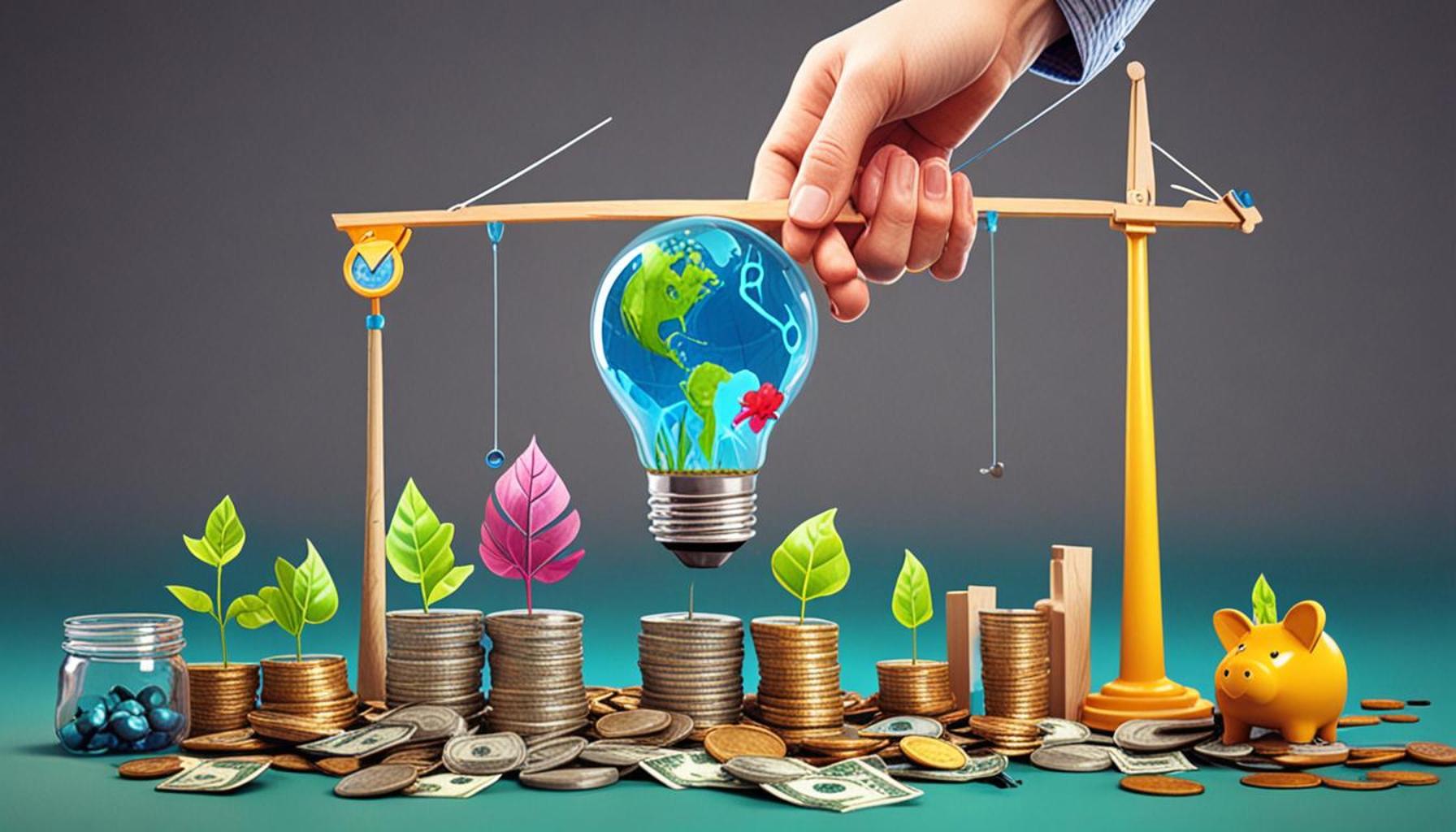
Embracing Sustainability for Financial Success
In our fast-paced world, the need for financial prudence is critical. Yet, this does not mean we must sacrifice our planet’s health. Balancing costs and environmental responsibility is not only a necessity; it is an opportunity for innovation and growth. By fostering a sustainable mindset, we can create a harmonious relationship between economic viability and environmental stewardship.
As consumers and businesses, we hold the power to influence change through our choices. Consider these impactful areas:
- Energy Efficiency: Investing in renewable energy sources such as solar or wind can significantly reduce long-term expenses. For example, installing solar panels not only decreases electricity bills but also supports a shift away from fossil fuels, leading to a more sustainable energy future.
- Waste Reduction: Implementing sustainable practices like recycling and composting can minimize costs related to disposal and production. Companies, such as Unilever, have seen reductions in operational costs through their commitment to more sustainable supply chain practices, exemplifying the financial benefits of waste reduction.
- Eco-Friendly Products: Supporting sustainable brands encourages a shift towards greener manufacturing. By choosing products made from recycled materials or those that use less packaging, consumers send a clear message to the market that sustainability matters, pushing businesses to innovate towards eco-friendly solutions.
Every financial decision shapes our environmental footprint. By prioritizing sustainability, we can unlock an array of benefits:
- Improve profitability: Sustainable practices often lead to operational efficiencies. For instance, companies that adopt energy-efficient systems can reduce overhead costs and enjoy higher profit margins.
- Enhance brand loyalty: Consumers are increasingly supportive of environmentally responsible companies. Brands like Patagonia have thrived by aligning their business models with sustainable practices, thereby cultivating a devoted customer base that values social and environmental responsibility.
- Contribute to community well-being: Local investments not only create jobs but also improve the quality of life in communities. For example, businesses that source materials locally can strengthen the local economy while also reducing transportation emissions.
By making conscious financial choices, we ensure that each dollar spent aligns with values that prioritize not only profit but also the planet. Embracing sustainability is not merely about limitation; rather, it is about unearthing innovative paths that lead to profitability while caring for our environment. Every step towards sustainability is a step towards a brighter future. Embracing this path not only nourishes the planet but also enriches our financial landscape.
DIVE DEEPER: Click here to discover the best credit card strategies
Strategic Financial Planning with a Green Lens
In today’s market, where sustainability and finances intersect, it is crucial for businesses to adopt a strategic approach that embraces both environmental stewardship and monetary prudence. A critical aspect of this journey is conducting a thorough cost analysis that weighs immediate financial implications against long-term environmental impacts. Helping organizations see beyond the here-and-now can fuel innovative strategies that pave the way for a sustainable future.
Understanding the costs associated with environmental responsibility involves not only a look at what is spent directly on sustainable practices but also considering the long-term savings that arise from these investments. Key areas that can serve as a foundation for cost analysis include:
- Capital Investments: While the initial investment in sustainable technologies, such as energy-efficient machinery or waste-reduction systems, may seem daunting, these technologies often lead to significant savings over time. For example, implementing LED lighting in warehouses can cut energy costs dramatically, leading to a return on investment that justifies the upfront expenditure.
- Regulatory Compliance: With increasing environmental regulations, non-compliance can lead to hefty fines and legal fees. By investing in compliance measures now, companies can mitigate potential costs down the line. Businesses that proactively adopt sustainable practices are often seen as leaders in their industries, avoiding the pitfalls of regulatory backlash.
- Market Trends: The way consumers shop is evolving, with more buyers showing a preference for brands that prioritize green initiatives. Companies that analyze market trends and pivot accordingly have the potential to tap into an expanding customer base, enhancing both revenue and reputation. Engaging with consumers through sustainable storytelling can create a loyal community around a brand.
This transformation from traditional cost analysis to one that includes sustainability is not just about making eco-friendly choices; it’s about reimagining how we assess financial impact. This holistic view enables organizations to recognize that sustainable decisions can lead to resilience in the face of market fluctuations.
Furthermore, one cannot overlook the importance of engaging stakeholders—employees, customers, and investors—in the sustainability journey. Their commitment can drive financial benefits as well. A company that actively involves its workforce in sustainability initiatives creates a culture of engagement, leading to improved productivity and job satisfaction. In turn, this generates better financial performance.
The key takeaway is that the marriage between cost analysis and sustainability is not just beneficial but necessary. A comprehensive approach that balances finances with environmental responsibility empowers companies to navigate a changing economic landscape while playing an active role in preserving our planet. This journey requires thoughtful planning, creativity, and a fundamental belief in the long-term advantages of sustainability.
DISCOVER MORE: Click here to learn how to apply
Integrating Sustainability into Financial Metrics
To achieve a truly sustainable business model, organizations must advance beyond environmental initiatives and integrate sustainability into their core financial metrics. This involves recalibrating traditional financial assessments to include eco-friendly criteria that reflect the true cost of business practices on the environment.
One path forward is the adoption of the Triple Bottom Line framework—a concept that encourages companies to evaluate their performance based on three pillars: people, planet, and profit. By measuring success through this lens, businesses can better understand the impact of their choices on social equity and environmental health, alongside traditional financial metrics. For instance, firms that actively reduce their carbon footprint often unlock both ecological and financial benefits, such as reduced energy costs and enhanced brand loyalty.
Additionally, integrating sustainability can manifest in the creation of detailed Environmental Profit and Loss (EP&L) accounts. By quantifying the monetary equivalent of environmental impacts such as carbon emissions, water usage, and waste generation, companies can create a clearer picture of their true environmental costs. A 2019 report revealed that within a multinational company, implementing an EP&L could identify cost-saving opportunities exceeding $300 million annually by streamlining resource consumption and enhancing operational efficiency.
- Resource Efficiency: By focusing on maximizing resource efficiency, businesses can significantly cut costs while minimizing their environmental impact. Regular audits of supply chains for wasteful practices not only reveal where expenses can be trimmed but also provide insights into ways to source materials sustainably. Companies like Interface, a flooring manufacturer, have exemplified this commitment by adopting a closed-loop system for their production processes, thereby minimizing waste and reducing overall material costs.
- Renewable Energy Investments: Transitioning to renewable energy sources can lead to substantial long-term financial savings. According to the International Renewable Energy Agency, the average cost of solar photovoltaics has dropped by nearly 90% in the last decade. Companies that harness such renewable energies are positioned to shield themselves from volatile fossil fuel prices while simultaneously meeting consumer demands for greener solutions.
- Innovative Financing Solutions: As more businesses prioritize sustainability, innovative financing options have emerged. Green bonds and sustainability-linked loans provide financial incentives that reward organizations for meeting environmental targets. For instance, companies like Apple have successfully utilized green bonds to fund projects aimed at reducing greenhouse gas emissions, showcasing how financial growth can align with environmental imperatives.
In the United States, local and state governments are recognizing the importance of sustainability in economic development and are offering incentives for companies that prioritize green practices. Tax credits for energy-efficient installations or grants for sustainable R&D initiatives present ample opportunities for enterprises to alleviate initial costs while reaping the rewards of eco-conscious operations.
Ultimately, it’s about reshaping the business narrative to understand that profitability and environmental stewardship are not mutually exclusive. By embedding a sustainable mindset within financial analyses, companies not only enhance their bottom line but also contribute to a regenerative economy that benefits all stakeholders. This shift can inspire a new generation of leaders to champion practices that align financial gain with the health of our planet, reinforcing the poignant truth that true success incorporates the well-being of both people and the earth.
DISCOVER MORE: Click here for a comprehensive guide
Conclusion
In a world increasingly aware of its environmental challenges, the dialogue around cost analysis and sustainability has never been more critical. By intentionally intertwining financial analysis with environmental responsibility, businesses unlock the potential for innovation and efficiency while contributing to a healthier planet. It is essential for organizations to recognize that sustainability is not merely an added expense, but rather a strategic investment that can lead to long-term growth and resilience.
As we look forward, the adoption of frameworks like the Triple Bottom Line and the effective use of Environmental Profit and Loss accounts provide a foundation for rethinking success. They allow companies to visualize their impact beyond profits, embracing their role as stewards of both economic and ecological health. By focusing on resource efficiency, investing in renewable energy, and leveraging innovative financing solutions, businesses can thrive in competitive landscapes while ensuring that responsible practices shape their operational strategies.
Moreover, government incentives are paving the way for companies to embrace green practices without the burden of overwhelming costs. The opportunity to participate in the regenerative economy is at hand, and the challenge lies in seizing it. As we move into the future, let us be guided by the understanding that financial success and environmental stewardship can coexist harmoniously. Together, we can empower a new generation of leaders committed to creating a business culture that celebrates sustainability as a fundamental goal, enhancing not just the bottom line but the world we share.

Linda Carter
Linda Carter is a writer and expert known for producing clear, engaging, and easy-to-understand content. With solid experience guiding people in achieving their goals, she shares valuable insights and practical guidance. Her mission is to support readers in making informed choices and achieving significant progress.